Hidden Deck Fastener Systems Compared: The Best Way to Get a Seamless Look
Reading time: 14 minutes
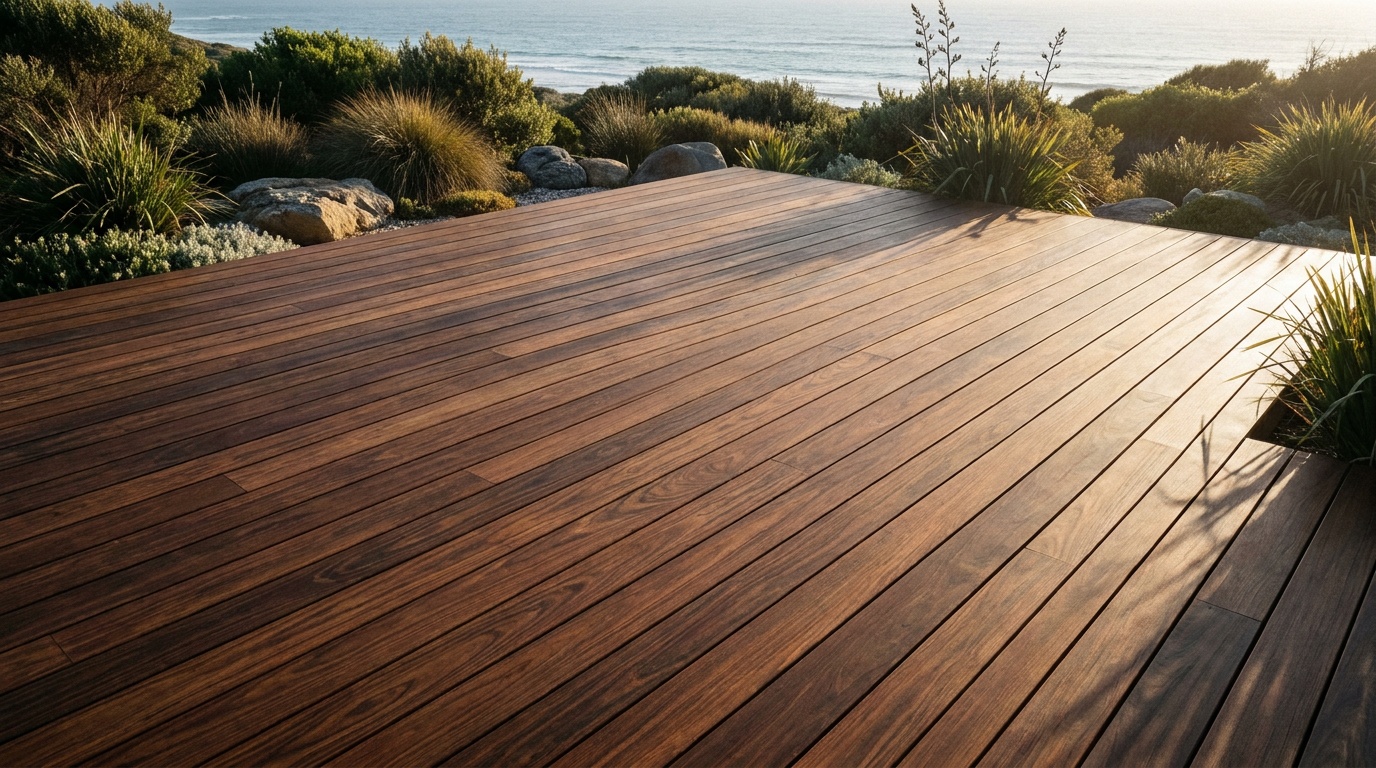
Picture this: You’ve just spent a weekend on a beautifully crafted outdoor deck. The wood flows in perfect, uninterrupted lines. There’s not a single screw head in sight. The surface looks like it was grown rather than built. You run your hand across it and wonder — how did they do that?
The answer, almost always, is a hidden deck fastener system. And if you’re planning or renovating a deck in 2026, understanding which system is right for your project could be the difference between a deck you’re proud of and one you’re stuck with.
Hidden fasteners aren’t just about aesthetics. They affect structural integrity, board movement, installation time, long-term maintenance, and your total cost. With the composite decking market valued at over $6.8 billion globally in 2026 — and growing at roughly 11% annually — the demand for cleaner, smarter fastening solutions has never been higher.
This guide cuts through the noise. We’ll compare the leading hidden fastener systems head-to-head, walk through real-world installation scenarios, and help you make a confident, informed decision — whether you’re a seasoned contractor or a first-time DIYer.
Table of Contents
- Why Hidden Fasteners Matter More Than Ever
- The Main Types of Hidden Deck Fastener Systems
- Head-to-Head Comparison: Key Metrics
- Performance at a Glance: Data Visualization
- Real-World Case Studies
- Common Challenges and How to Overcome Them
- How to Choose the Right System for Your Project
- Frequently Asked Questions
- Your Seamless Deck: Next Steps
Why Hidden Fasteners Matter More Than Ever
Traditional face-screwing — driving fasteners straight down through the top of a deck board — has been the default method for decades. It works. It’s fast. It’s cheap. But it comes with a growing list of drawbacks that homeowners and contractors are no longer willing to accept.
Surface screws create entry points for water. Even with treated lumber or capped composite boards, screws punch through the protective layer on composite materials and expose the core to moisture. Over time, this leads to swelling, rot (in wood), and unsightly staining around every fastener hole.
Then there’s the visual problem. A 400-square-foot deck can have 800 to 1,200 visible screw heads dotting its surface. No matter how carefully placed, those metallic dots disrupt the clean lines that make a deck look truly premium.
In 2025, a survey by the North American Deck and Railing Association (NADRA) found that 67% of homeowners who renovated their decks cited “cleaner appearance” as their top motivation — up from 48% in 2021. The hidden fastener market followed suit, with adoption rates among professional deck builders climbing to 54% of new residential deck projects in 2026, compared to just 31% five years earlier.
The message is clear: hidden fasteners aren’t a luxury upgrade anymore. They’re rapidly becoming the industry standard.
The Main Types of Hidden Deck Fastener Systems
There are several distinct categories of hidden fastener systems, each with its own philosophy, installation method, and ideal use case. Let’s break them down clearly.
1. Clip-Based Fastener Systems
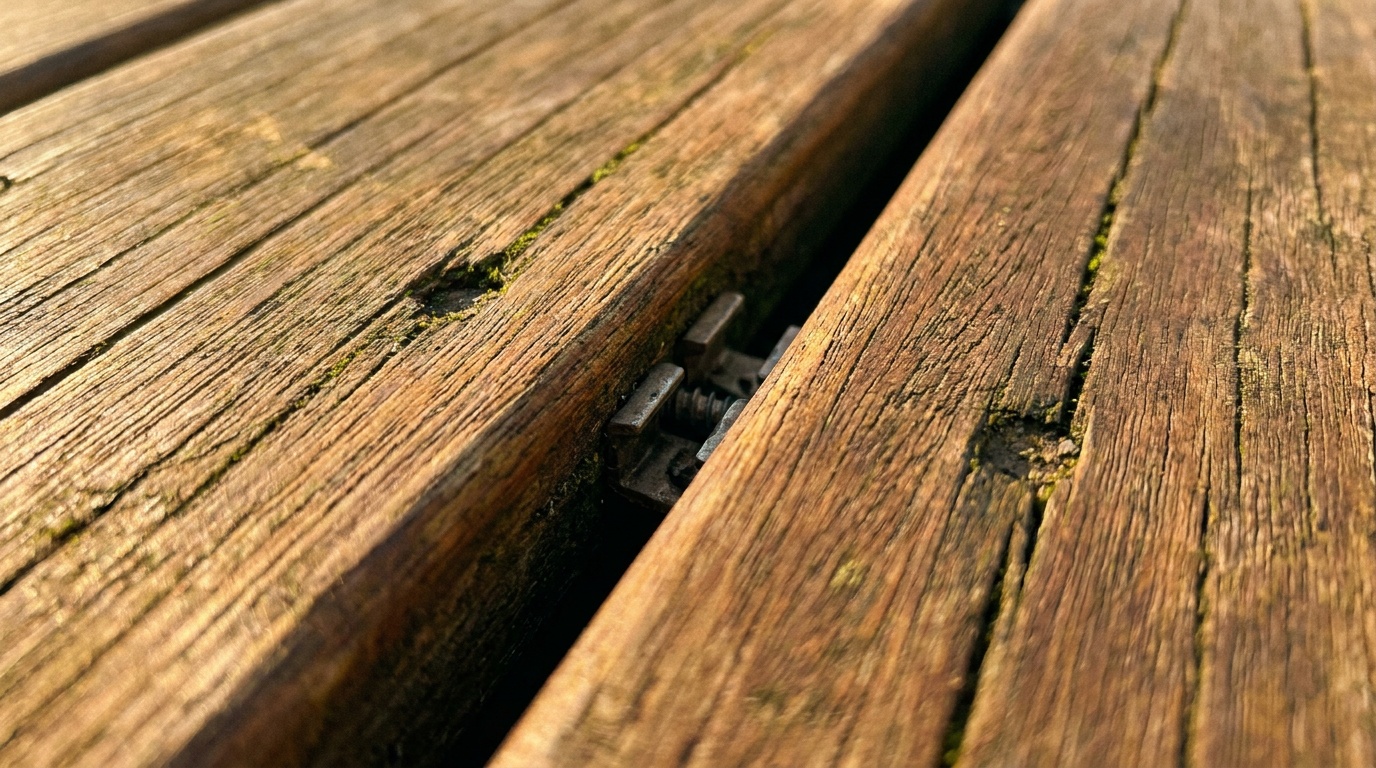
Clip systems are by far the most popular category in 2026. A small clip — typically made from stainless steel, carbon steel, or engineered polymer — sits in a groove or slot routed into the edge of the deck board. The clip holds the board to the joist while leaving the top surface completely unmarked.
The most well-known brands in this category include Ipe Clip®, Camo® (with their EdgeClip line), and Cortex®. Clip systems divide further into two sub-types:
- Grooved-board clips: These require pre-grooved decking boards, which most composite manufacturers now produce as standard. The clip slots into the groove, and installation is fast — often described as a “click-and-go” process.
- Biscuit-style clips: These sit between boards and require a routed slot in solid wood boards. They’re typically used with hardwoods like Ipe, Cumaru, or Teak.
Best for: Composite decking, tropical hardwoods, large-format decks where speed matters.
Average cost: $0.45–$1.20 per linear foot of board, plus labor.
2. Screw-Based Hidden Systems (Angled / Edge-Drive)
This is an elegant middle ground. Rather than drilling through the face, angled fasteners drive into the side edge of each board at roughly 45 degrees, anchoring it to the joist below without touching the top surface. The CAMO Marksman Pro tool is the flagship example — it guides screws at a precise angle while keeping the top face clean.
This approach works particularly well with solid-edge boards that don’t have pre-cut grooves, making it a go-to solution for contractors working with natural hardwood decking or solid composite boards.
Best for: Solid-edge composite or hardwood boards, retrofit projects, contractors wanting speed without purchasing proprietary clip systems.
Average cost: $0.25–$0.75 per linear foot, tool investment of $100–$200 once.
3. Track or Rail Systems
Track systems flip the fastening logic entirely. Instead of attaching boards to joists through clips or screws, the boards slide or snap onto a continuous aluminum or steel track that runs perpendicular to the boards. This method is common in high-end aluminum and some composite decking systems.
Brands like Trex Hideaway® and TimberTech Cortex® have refined this concept. Track systems offer exceptional alignment consistency and can accommodate significant thermal expansion — a crucial feature for composite decking in regions with wide temperature swings.
Best for: Full composite systems, luxury builds, commercial applications, decks in climate-extreme zones.
Average cost: $1.00–$2.50 per linear foot (system cost, including tracks).
4. Plugged or Capped Screw Systems
Technically a “surface” method, plugged systems are worth including because they achieve a near-hidden aesthetic without true edge fastening. A screw is driven face-down through the board, and a matching composite or wood plug is snapped or glued over it. Done well, the result is nearly invisible.
TimberTech Cortex plugs are precision-matched to board color — even mimicking wood grain — making them nearly undetectable at walking distance. This is a popular choice for end boards and picture frames where edge-fastening isn’t geometrically possible.
Best for: Border boards, picture-frame decks, retrofitting, situations where edge access is limited.
Average cost: $0.30–$0.80 per plug/screw set.
Head-to-Head Comparison: Key Metrics
Numbers tell a clear story. Here’s how the four major fastener categories stack up across the metrics that matter most to builders and homeowners in 2026:
| Metric | Clip Systems | Angled Screw | Track Systems | Plugged Screw |
|---|---|---|---|---|
| Aesthetic Result | ⭐⭐⭐⭐⭐ | ⭐⭐⭐⭐ | ⭐⭐⭐⭐⭐ | ⭐⭐⭐ |
| Installation Speed | Fast | Very Fast | Moderate | Slow |
| Board Replaceability | Moderate | Good | Excellent | Moderate |
| Cost (Materials) | Medium | Low–Medium | High | Low |
| DIY Friendliness | High | High | Medium | High |
Performance at a Glance: Data Visualization
Based on aggregated contractor feedback and homeowner satisfaction surveys conducted by NADRA in early 2026, here’s how each fastener system scores on Overall Satisfaction (out of 100):
Overall Satisfaction Score by Fastener Type (2026 Survey, n=1,840)
Source: NADRA Contractor & Homeowner Satisfaction Survey, Q1 2026
Real-World Case Studies
Case Study 1: The Composite Makeover in Austin, Texas
In early 2025, a residential contractor named Marcus Delgado undertook a full deck replacement for a client in Austin — a city where summer temperatures routinely exceed 105°F. The original deck had face-screwed pressure-treated pine, and after just seven years, the boards showed significant warping, and rust stains ringed every screw hole.
Marcus switched to Trex Transcend composite boards with the Trex Hideaway Universal Hidden Fastener. The boards were pre-grooved, and the track clips snapped in with consistent 3/16-inch gaps — critical for drainage and thermal expansion in the Texas heat.
The result? A 480-square-foot deck with a flawless surface. Marcus reported that installation took roughly 20% longer than face-screwing on his first hidden-fastener build, but by the second project, his crew matched pace. More importantly, the client received a 25-year stain and fade warranty that the composite manufacturer wouldn’t have honored on face-screwed installations that penetrated the board’s cap layer.
“Once you go hidden fasteners on composite, you’ll never want to face-screw again,” Marcus said. “The aesthetic difference alone sells it to every client I show.”
Case Study 2: Ipe Hardwood Deck in Portland, Oregon
Ipe (pronounced ee-PAY) is one of the most beautiful — and most challenging — hardwoods to work with. It’s so dense that standard screws can split it without pilot holes. A Portland-based landscape architect, Priya Menon, faced exactly this challenge on a 2026 project: a 320-square-foot rooftop deck with Ipe boards for a boutique hotel client who demanded zero visible hardware.
Priya used the Ipe Clip® Extreme® Hidden Deck Fastener system. The clips require a thin kerf cut along the board’s edge (made with a biscuit joiner), eliminating the splitting risk. The stainless-steel clips provided the holding strength needed for Ipe’s significant weight and density.
One challenge: Ipe expands and contracts dramatically with moisture changes. Priya adjusted clip spacing seasonally during installation — tighter gaps in the rainy winter installation window — knowing the boards would expand slightly through the dry summer. Three months post-installation, she reported zero gapping issues and enthusiastic client approval. The hotel featured the deck prominently in its 2026 marketing materials.
Common Challenges and How to Overcome Them
Challenge 1: Thermal Expansion Miscalculation
Composite decking can expand or contract by up to 1/4 inch per 8-foot board depending on temperature swings. If you use a clip system without accounting for this movement, you’ll end up with boards either buckling against each other (too tight) or developing unsightly gaps (too loose).
Solution: Always consult the manufacturer’s expansion table for your specific board and local climate. Most quality clip systems have built-in gap spacers — the clip body itself creates a consistent gap. In climate-extreme areas, use track systems that are explicitly engineered for high-expansion composite products. Never install composite boards in cold weather (below 40°F) without adjusting gap settings; boards installed cold will expand significantly once summer arrives.
Challenge 2: Incompatibility Between Boards and Clips
Here’s a frustrating scenario that plays out more often than it should: A DIYer purchases a bag of generic hidden clips and discovers mid-project that the groove depth on their composite boards doesn’t match the clip’s tooth dimension. The clips either don’t seat properly or leave boards wobbly.
Solution: This isn’t just a convenience issue — it’s a structural one. Always verify clip-to-board compatibility before purchasing. Composite manufacturers like Fiberon, TimberTech, and Trex all publish approved fastener lists for their products. Using manufacturer-approved fasteners often preserves your board warranty, too. When in doubt, call the manufacturer’s technical support line before buying in bulk.
Challenge 3: Border and Picture-Frame Boards
Hidden fasteners work brilliantly for field boards — but what about the perimeter? Border boards run parallel to joists or butt against the house, and edge-driving into them often isn’t geometrically possible. Many decks are left with hidden field boards but face-screwed (or face-plugged) borders, creating a visual inconsistency.
Solution: Plan your border strategy before you start. Options include:
- Use plugged screws (like Cortex) on borders — when color-matched, they’re nearly invisible at a glance.
- Design the deck so border boards are face-screwed deliberately with stainless square-drive screws in a consistent pattern, treating it as a design feature.
- Use a picture-frame joist below the border that allows the border board to be fastened from underneath using specialized brackets.
How to Choose the Right System for Your Project
With four main system types and dozens of brands, the choice can feel overwhelming. Here’s a practical decision framework:
Step 1 — Identify your decking material first. The material largely dictates which fasteners are compatible. Pre-grooved composites open up the widest range of clip options. Solid-edge boards (natural hardwoods, solid composite) steer you toward angled-screw or biscuit-clip systems. Aluminum decking typically requires manufacturer-specific track systems.
Step 2 — Assess your climate. High-temperature zones, coastal environments with humidity swings, and freeze-thaw climates all demand systems with greater expansion accommodation. Track systems and purpose-built clip systems for composites handle this best.
Step 3 — Evaluate your skill level and tools. Angled screw systems like the CAMO Marksman require minimal tool investment and have a gentle learning curve — ideal for capable DIYers. Track systems, while forgiving post-installation, require careful initial layout and level joists. Clip systems sit in between.
Step 4 — Set a realistic budget. A rough guide for materials only (2026 pricing):
- Plugged screws: $150–$300 for a 400 sq ft deck
- Angled screw systems: $200–$450 for a 400 sq ft deck
- Clip systems: $350–$700 for a 400 sq ft deck
- Track systems: $600–$1,200+ for a 400 sq ft deck
Step 5 — Check warranty implications. This is critical and frequently overlooked. Many composite decking manufacturers void their warranty if you use non-approved fasteners or face-screw through their cap layer. Verify this before finalizing your system choice. The cost of using approved fasteners is almost always cheaper than losing a 25-year warranty.
Pro Tip: If you’re a contractor building multiple decks annually, standardizing on one clip system creates a steep efficiency curve. Your crew gets faster, you buy in bulk at lower cost, and your installations become more consistent. Many contractors who standardized on clip systems in 2025 report that their per-deck installation time dropped by 15–25% after the first three to five projects.
Frequently Asked Questions
Are hidden deck fasteners significantly more expensive than traditional face screwing?
Yes, but the gap is smaller than many people assume. Hidden fasteners typically add $300–$900 in materials cost to a 400-square-foot deck project, depending on the system chosen. However, this cost is frequently offset by reduced maintenance (no rust staining, no re-sealing around screw holes), preserved board warranties worth thousands of dollars, and documented increases in home resale value. A 2025 HomeAdvisor study found that professionally installed decks with hidden fasteners and composite boards returned an average of 72% of project cost at resale — roughly 12 percentage points higher than face-screwed wood decks in the same markets.
Can I use hidden fasteners on an existing deck with visible screws?
Technically possible, but practically challenging. To retrofit hidden fasteners, you’d need to remove existing boards, route grooves (for clip systems) or use plugged screws as a cover solution. The most realistic retrofit option is the plugged screw system — simply drive a new screw where the old one was and cap it with a color-matched plug. True edge-fastening usually requires starting fresh. That said, many homeowners use partial retrofitting: replacing heavily damaged boards with new pre-grooved stock and using hidden clips on those while plugging original screws on boards that remain.
Do hidden fasteners affect the structural strength of the deck?
When installed correctly, hidden fasteners meet or exceed the structural requirements of face-screwed installations. Most clip and track systems are engineered and tested to comply with ICC (International Code Council) standards and carry load ratings sufficient for residential decks. The key phrase is “installed correctly.” Improper clip seating, skipping fasteners to save cost, or using clips on joists spaced beyond the manufacturer’s maximum (typically 16″ on-center, though some systems support 24″) can compromise structural integrity. Always follow the manufacturer’s installation guide and have your local building authority inspect the framing before board installation on permitted projects.
Your Seamless Deck: Next Steps
The outdoor living space revolution isn’t slowing down. In 2026, decks are extensions of living rooms, professional backdrops for remote work calls, and outdoor kitchens. The surfaces we build them on deserve the same thoughtful finish we’d bring to interior flooring — and hidden fasteners are the most direct path to that standard.
Here’s your action-oriented roadmap to move from reading to building:
- Identify your board first, fastener second. Visit a decking showroom or order samples from two or three composite manufacturers. The board you fall in love with will narrow your fastener options naturally — and often the manufacturer’s own system is the safest, warranty-protecting choice.
- Sketch your border strategy before you buy anything. Decide now how you’ll handle picture-frame boards, stair landings, and perimeter edges. This prevents mid-project pivots and purchasing mistakes.
- Run a small test section. If you’re a DIYer trying clip systems for the first time, install 8–10 boards in a low-visibility area to calibrate your technique before committing to the main field. Small errors caught early save significant rework.
- Document your installation for warranty purposes. Photograph clip types used, spacing, and joist layout. Manufacturers may request this documentation for warranty claims. Thirty minutes of photos protects thousands of dollars in coverage.
- Review and plan for 5 years out. Even with hidden fasteners, decks need periodic cleaning, sealing (for wood), and hardware checks. Build a simple maintenance calendar into your project planning now so the deck you install in 2026 still looks immaculate in 2031.
The broader trend here is significant: as outdoor living becomes a more serious architectural priority, the bar for surface quality will only rise. Hidden fastener technology is already evolving toward tool-free magnetic clip systems and bio-based polymer tracks — and adopting quality hidden systems today positions your deck at the leading edge of that curve.
So here’s the question worth sitting with: If you’re going to invest the money, the weekend, and the effort in building or upgrading a deck — why let a few hundred screw heads define the final result? The seamless look isn’t a luxury finish. In 2026, it’s simply the right way to build.
Article reviewed by Gary Kowalski, Structural Demolition & Load-Bearing Analysis Expert, on May 4, 2026