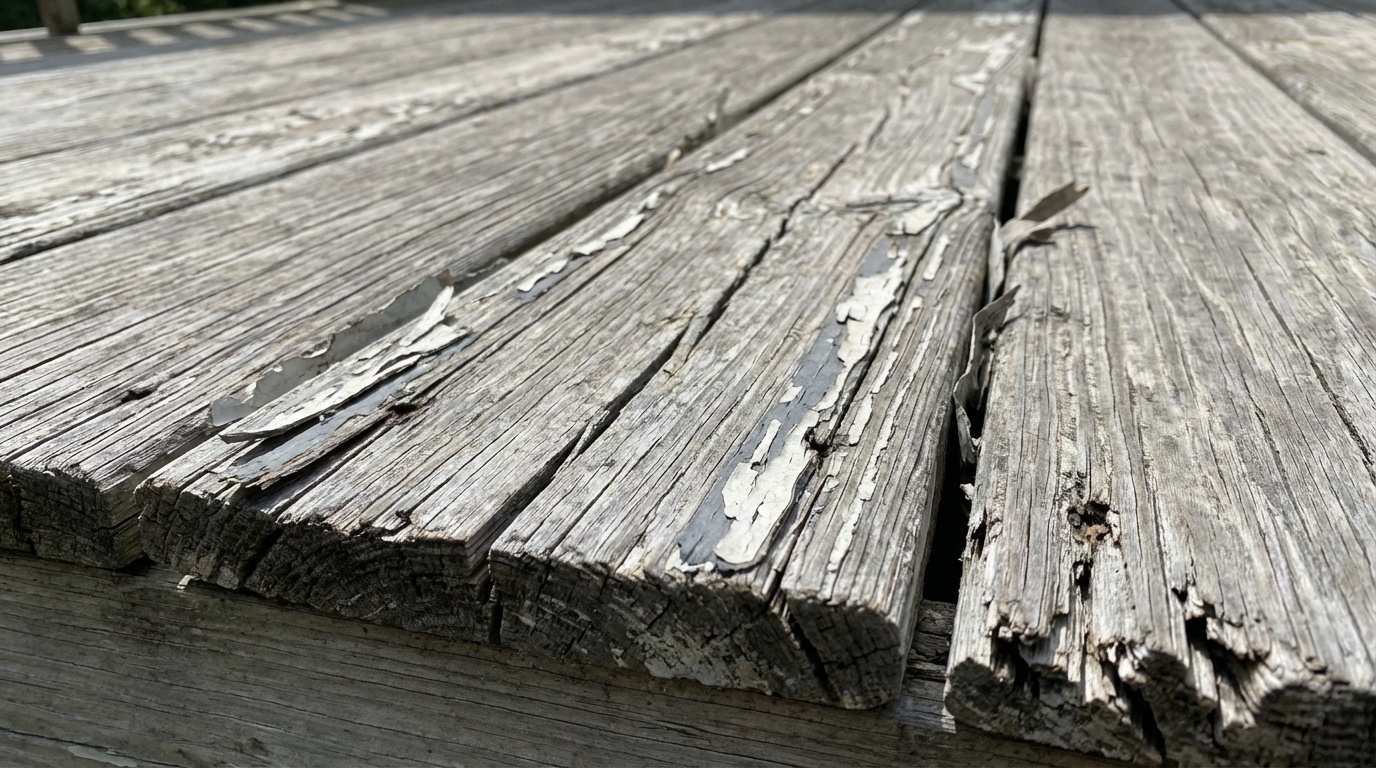
Restoring a Deteriorated Wood Deck: Should You Repair or Rebuild?
Reading time: 14 minutes
Your deck was once the crown jewel of your backyard—a place for summer gatherings, morning coffee, and lazy Sunday afternoons. But now? It’s warped, splintered, and maybe even a little terrifying to walk on barefoot. Sound familiar? You’re not alone.
In 2026, homeowners across North America are wrestling with exactly this dilemma. According to the National Association of Home Builders (NAHB), outdoor living spaces—including decks and patios—remain among the top three home improvement priorities, with deck restoration projects surging by approximately 31% between 2024 and 2026. The question isn’t whether to deal with your deck—it’s how to deal with it strategically.
Here’s the straight talk: Choosing between repair and rebuild isn’t about what looks cheaper on the surface. It’s about understanding your deck’s structural reality, your long-term goals, and where your money will deliver the most value. Let’s navigate this decision together with precision, real-world examples, and actionable guidance.
Table of Contents
- Why Decks Deteriorate Faster Than You Think
- The Core Decision: Repair or Rebuild?
- How to Assess the Damage Like a Pro
- Cost Comparison: What the Numbers Say in 2026
- The Repair Roadmap: When Fixing Makes Sense
- The Rebuild Case: Starting Fresh the Right Way
- Choosing the Right Materials in 2026
- Frequently Asked Questions
- Your Deck’s Second Life: A Decision Roadmap
Why Decks Deteriorate Faster Than You Think
Wood is a living material—even after it’s been cut and treated. It expands, contracts, absorbs moisture, and responds to every environmental stress thrown at it. Most residential wood decks in North America are built from pressure-treated lumber, cedar, or redwood, and under ideal conditions, they can last 15 to 25 years. But “ideal conditions” rarely exist in the real world.
The Hidden Enemies of Wood Decks
Several factors accelerate deck deterioration in ways that catch homeowners off guard:
- Moisture infiltration: Standing water, inadequate drainage, and seasonal freeze-thaw cycles are the number-one enemies of wood decks. Water that penetrates the wood grain causes rot from the inside out—often invisible until structural damage is severe.
- UV radiation: Prolonged sun exposure breaks down the lignin in wood, causing graying, cracking, and surface degradation. In sun-belt states like Arizona, Texas, and Florida, this process can accelerate dramatically.
- Insect infestation: Termites and carpenter ants are responsible for billions of dollars in structural damage annually. A 2025 report by the Pest Control Technology Institute estimated that over 600,000 U.S. homes experienced deck-related insect damage requiring professional intervention.
- Deferred maintenance: Skipping annual cleaning, sealing, and inspection allows minor issues to compound into major structural failures over 3–5 years.
- Poor original construction: Decks built without proper ledger flashing, inadequate post footings, or below-grade lumber contact will deteriorate years ahead of schedule.
Quick scenario: Imagine a homeowner in Nashville who purchased their home in 2018 with a “recently updated” deck. By 2024, the deck boards began flexing noticeably. By 2026, two joists had softened with rot and three ledger bolts had corroded through. What looked like a cosmetic problem was actually a structural emergency—and it happened because no one sealed the ledger board during installation. This isn’t unusual. It’s the story of thousands of decks across the country.
Climate Change Is Making Things Worse
Here’s a 2026 reality check: Increasingly volatile weather patterns—longer wet seasons in the Pacific Northwest, more intense heat waves in the Southeast, and deeper freeze cycles in the Midwest—are shortening the functional lifespan of wood decks. The American Institute of Architects reported in early 2026 that residential outdoor structure repair requests have increased by 22% year-over-year, partially attributed to climate-related weather stress on aging structures. Your deck isn’t just fighting time. It’s fighting a changing environment.
The Core Decision: Repair or Rebuild?
This is the question that matters most—and the answer isn’t always intuitive. Many homeowners default to “let’s just fix what’s broken” without truly understanding what’s broken and why. Others assume that any aging deck needs a complete teardown, spending money they don’t need to spend.
The truth lives somewhere in the middle, and it hinges on one fundamental assessment: Is the structural framework sound?
Think of your deck like an iceberg. The surface boards—the part you see and walk on—are just the tip. Below lies a complex infrastructure of joists, beams, posts, footings, and ledger connections. If that hidden infrastructure is compromised, no amount of board replacement will make your deck safe or durable. If it’s intact, targeted repairs can extend your deck’s life by another decade or more.
General Rule of Thumb: If more than 30% of structural components show signs of rot, significant corrosion, or insect damage, rebuilding typically delivers better long-term value. If damage is primarily cosmetic or limited to surface boards, a well-executed repair is often the smarter financial and practical choice.
How to Assess the Damage Like a Pro
Before you can make an informed decision, you need honest data about your deck’s condition. Here’s a systematic approach used by professional deck inspectors in 2026:
Step-by-Step Deck Inspection Protocol
1. The Screwdriver Test (Surface and Structural)
Press the tip of a flathead screwdriver firmly into deck boards, joists, and posts. If it penetrates more than ¼ inch with moderate pressure, that wood is compromised by rot. Do this on every structural member you can access—not just the obvious suspects.
2. Check the Ledger Board Connection
The ledger board connects your deck to your home’s rim joist. It’s the most critical—and most commonly neglected—component. Look for improper flashing, rust stains, gaps between the ledger and house, or soft wood at bolt locations. Ledger failures are the leading cause of sudden deck collapses.
3. Examine Post-to-Footing Connections
Dig carefully around post bases or pull back any ground cover. Posts sitting directly in soil (without proper concrete footings and post bases) are almost always rotted at grade level, even if the visible portion looks fine.
4. Evaluate Joist Hangers and Hardware
Metal hardware corrodes over time, especially in coastal or high-humidity environments. Look for significant rust, missing fasteners, or hardware that appears deformed or bent. In 2026, aluminum and hot-dipped galvanized hardware are the standard—older zinc-plated hardware often fails prematurely.
5. Assess Beam and Joist Deflection
Walk the perimeter of the deck while a second person watches from below (if accessible) or from the side. Noticeable bounce or flex in the decking under a single adult’s weight often indicates compromised joist integrity.
Pro Tip: In 2026, several certified home inspection apps (including DeckCheck Pro and HomeScope AI) use photo analysis and guided questionnaires to provide preliminary structural risk scores. While no app replaces a licensed inspector, these tools can help you organize your findings before professional consultation.
Cost Comparison: What the Numbers Say in 2026
Let’s talk real numbers. Material costs and labor rates have shifted considerably since 2023, and having accurate 2026 benchmarks is essential for making a financially sound decision.
| Scenario | Avg. Cost (200 sq ft deck) | Timeline | Lifespan Added | Best For |
|---|---|---|---|---|
| Cosmetic repair (boards + stain) | $800–$2,200 | 1–3 days | 5–8 years | Decks under 12 years old with solid framing |
| Partial structural repair | $2,500–$6,000 | 3–7 days | 8–12 years | Isolated damage to joists or posts |
| Full board replacement + refinish | $4,000–$9,000 | 5–10 days | 10–15 years | Sound structure, aged surface boards |
| Complete deck rebuild (pressure-treated) | $12,000–$22,000 | 1–3 weeks | 20–30 years | Widespread structural failure, older decks |
| Complete rebuild (composite decking) | $18,000–$35,000 | 2–4 weeks | 25–40 years | Long-term investment, low-maintenance priority |
Note: Costs reflect 2026 national averages and include labor. Regional variation can be significant—coastal and high-demand urban markets typically run 20–40% higher.
Visualizing the Value: Where Does Your Repair Dollar Go Furthest?
The chart below illustrates the cost-per-year-of-lifespan-added ratio for each scenario—one of the most useful metrics for comparing repair options objectively.
Cost Per Year of Added Lifespan (2026 Averages)
Lower cost-per-year indicates better immediate value. Composite rebuild’s higher figure is offset by minimal maintenance costs over time.
Notice something interesting? Cosmetic repair offers the lowest cost-per-year ratio—but only if your structure is genuinely sound. Investing in a cosmetic fix on a compromised frame is like putting new tires on a car with a cracked frame. The math only works when the foundation is solid.
The Repair Roadmap: When Fixing Makes Sense
Repair is the right call when your deck passes structural muster but shows surface wear, limited board damage, or isolated issues that haven’t compromised the frame. Here’s how to approach it strategically.
Case Study: The Portland Partial Repair Success Story
In early 2026, a homeowner in Portland, Oregon faced a classic repair dilemma. Their 14-year-old cedar deck showed significant surface graying, several warped boards, and one soft joist near the house. A contractor’s initial estimate for full replacement came in at $19,500. A second opinion from a deck restoration specialist told a different story.
After a thorough inspection, only 12 of the 180 deck boards required replacement, along with the single compromised joist and updated ledger flashing. Total cost: $4,800. After sanding, treating with a premium penetrating oil stain, and installing new stainless steel fasteners, the deck looked—and performed—like new. The homeowner saved over $14,000 and added an estimated 10–12 years to the deck’s life. The lesson? Always get a second opinion that includes a thorough inspection, not just a surface-level quote.
Practical Repair Steps You Can Execute
- Replace damaged boards selectively. Match species and thickness carefully. When replacing individual boards in an aged deck, consider lightly weathering new boards with a diluted wood stain to avoid patchwork appearance.
- Address joist rot locally. “Sistering” a joist—attaching a new joist alongside a damaged one—is a cost-effective structural repair that avoids full joist replacement. Use pressure-treated lumber rated for ground contact (UC4B or higher in 2026 standards).
- Upgrade hardware throughout. While doing repairs, replace all original zinc-plated joist hangers and fasteners with stainless steel or hot-dipped galvanized equivalents. In 2026, structural connector manufacturer Simpson Strong-Tie recommends minimum A653 G185 galvanization for outdoor deck hardware.
- Re-flash the ledger. Install proper self-adhesive flashing tape (such as Vycor Plus) behind the ledger board during any ledger repair or reinforcement work. This single step prevents the most common cause of premature deck structural failure.
- Clean, sand, and seal the entire surface. After structural work, use a commercial-grade deck cleaner, allow full drying time (minimum 48–72 hours), and apply a quality penetrating sealer or stain. In 2026, water-based semi-transparent stains with UV blockers offer the best combination of protection and longevity.
The Rebuild Case: Starting Fresh the Right Way
Sometimes the kindest thing you can do for your backyard—and your wallet over the long run—is to start over. Here’s when rebuilding makes undeniable sense:
- The deck is over 20–25 years old with no documented maintenance history
- Multiple posts show rot at or below grade level
- The ledger connection is fundamentally compromised or improperly installed
- Footings are inadequate for current local building codes
- You want to change the deck’s size, configuration, or elevation
- An inspector finds that repair costs exceed 60–70% of new build cost
Case Study: When Repair Would Have Been a Costly Mistake
A homeowner in Charlotte, North Carolina spent $3,200 in 2023 repairing surface boards on a 22-year-old pressure-treated deck. By 2025, the deck developed significant bounce. A 2026 inspection revealed that three of the four corner posts had rotted completely through at grade level—a fact obscured by decorative post wraps installed during the 2023 repair. The deck was, in the inspector’s words, “a fall waiting for a date.” The homeowner ultimately spent $16,000 on a full rebuild they could have planned for more strategically three years earlier. The repair money was essentially lost.
This isn’t a story about bad luck. It’s a story about incomplete diagnosis. When considering repair on any deck over 18 years old, insist on full post exposure and footing inspection before committing to surface-level work.
Rebuilding Smarter: Key Design Improvements for 2026
If you’re rebuilding, this is your opportunity to correct past mistakes and build for the next 25 years. Prioritize:
- Oversized footings: Many older decks were built with undersized concrete footings. 2026 IRC code requirements in most jurisdictions call for footings sized to local soil bearing capacity—don’t let a contractor shortcut this step.
- Continuous post-to-beam connections: Use engineered metal post caps rated for the beam load rather than notched post tops, which are a historic point of failure.
- Proper ledger installation: Full ledger flashing, correctly sized lag screws or through-bolts, and a minimum 1-inch air gap between decking and house wall.
- Hidden fastener systems: Beyond aesthetics, hidden fastener systems (like Camo Fasteners or Ipe Clip) allow boards to expand and contract naturally, reducing surface cracking and board cupping.
Choosing the Right Materials in 2026
Whether you’re repairing or rebuilding, material selection is a decision you’ll live with for decades. The 2026 landscape offers more options—and more nuance—than ever before.
Wood Options: The Classics Still Have a Place
Pressure-Treated Lumber (PT): The workhorse of deck construction. In 2026, ACQ (Alkaline Copper Quaternary) and CA (Copper Azole) treatments dominate the market. Properly maintained PT decking can last 25+ years. Cost-effective for rebuilds on a budget. Requires regular sealing every 2–3 years.
Cedar and Redwood: Naturally rot-resistant and beautiful, but increasingly expensive due to continued supply constraints from Pacific Northwest timber harvesting regulations. In 2026, kiln-dried cedar decking runs approximately $4.20–$6.50 per linear foot nationally. Best for repairs that need to match existing decking aesthetics.
Hardwoods (Ipe, Cumaru, Tigerwood): Incredibly durable—ipe can last 40–75 years with minimal maintenance—but expensive ($8–$14/linear foot in 2026) and requires specialized installation experience. Sustainability sourcing is an important consideration; look for FSC-certified material.
Composite and PVC Decking: The 2026 Standard for Rebuilds
Composite decking has matured dramatically. In 2026, leading brands like Trex Transcend, TimberTech AZEK, and Fiberon Horizon offer products that genuinely mimic wood grain aesthetics while delivering:
- 25–30 year manufacturer warranties
- No annual sealing or staining requirements
- Resistance to mold, mildew, fading, and insect damage
- Recycled content percentages of 95%+ in some product lines
The trade-off? Composite decking cannot be sanded or refinished, and lower-grade products can fade noticeably in high-UV environments. Premium capped composite products (where the wood-composite core is wrapped in a protective PVC shell) perform significantly better in color stability than uncapped options.
Pro Tip: When comparing composite brands in 2026, ask specifically for the capped composite specification sheet and the fade/stain warranty terms. Some warranties cover only manufacturing defects—not UV fade—so read the fine print carefully before committing.
Frequently Asked Questions
How do I know if my deck is structurally safe right now?
The most reliable immediate test is the screwdriver probe on all structural members you can access—joists, beams, and posts—combined with a visual check for significant bounce when walking the deck. If posts show any soft spots at grade level, if the deck visibly moves at the ledger connection, or if you can feel noticeable flex between joists under normal foot traffic, stop using the deck and schedule a professional inspection immediately. In 2026, most certified deck inspectors charge between $200–$450 for a thorough structural evaluation—money exceptionally well spent before investing thousands in repairs. The North American Deck and Railing Association (NADRA) maintains a directory of certified deck inspectors searchable by zip code.
Can I save money by doing deck repairs myself in 2026?
Yes, but with important caveats. Cosmetic work—board replacement, sanding, staining, and hardware upgrades—is well within the skill range of a confident DIYer with basic carpentry experience. However, any structural work involving ledger replacement, post footings, or beam connections should involve a licensed contractor in most U.S. jurisdictions, as it typically requires a building permit and inspection. Unpermitted structural deck work can create significant liability issues and complications when selling your home. In 2026, several municipalities have also tightened deck construction code enforcement in response to a series of high-profile deck collapse incidents in 2024 and 2025. Check your local requirements before picking up a hammer.
Does a new or restored deck actually add resale value to my home?
Consistently yes—though the return varies by market and material. The 2026 Remodeling Cost vs. Value Report from Zonda Media indicates that a wood deck addition delivers approximately 68–72% cost recoupment at resale nationally, while composite deck additions average 63–67% due to higher initial cost. In markets like Seattle, Denver, and the greater Boston area, those figures trend 8–12% higher due to strong outdoor living demand. More practically, a visibly deteriorated deck is increasingly cited by real estate agents as a transaction friction point—buyers either request price reductions or walk away from offers. A well-restored or rebuilt deck removes that obstacle and signals careful homeownership to prospective buyers.
Your Deck’s Second Life: A Decision Roadmap
You’ve now got the framework to make a genuinely informed decision—not a guess, not a gut feeling, but a strategic choice backed by real knowledge. Here’s your action plan:
- Conduct your own inspection this week. Use the screwdriver test, walk every structural member you can safely access, and document what you find with photos and notes. This becomes your baseline for contractor conversations.
- Get at least two professional quotes—and insist they include a structural assessment. Any contractor who quotes a repair without physically inspecting joists, posts, and the ledger connection should not be trusted with your project.
- Apply the 60% Rule. If repair quotes exceed 60% of new build cost, shift your mental framework to rebuild mode and begin exploring materials and design improvements that will serve your household for the next two to three decades.
- Check permit requirements before any work begins. Contact your local building department or use your municipality’s online permit portal (most have them in 2026). Permitted work protects your investment and your liability.
- Plan your maintenance calendar before the first nail goes in. Whether you repair or rebuild, schedule annual cleaning and inspection every spring, resealing every 2–3 years for wood, and hardware checks every 5 years. The deck you maintain is the deck that lasts.
The broader trend here is worth noting: as climate volatility continues and material costs remain elevated through 2026 and into 2027, strategic homeowners are increasingly treating outdoor structures as long-term infrastructure investments—not afterthoughts. The most expensive deck decision you can make is to do nothing, or to make a reactive repair without a complete picture of what’s actually failing beneath your feet.
Your deck isn’t just wood and hardware. It’s square footage you actually use, mornings you’ll actually enjoy, and gatherings that actually matter. So—what does your deck really need right now, and are you ready to find out?
Article reviewed by Gary Kowalski, Structural Demolition & Load-Bearing Analysis Expert, on May 4, 2026