Best Shade Structures to Keep Patios Cool Without AC
Reading time: 12 minutes
Summer 2026 has been unforgiving. With global average temperatures hitting record highs for the third consecutive year, outdoor living spaces have gone from a luxury to a carefully engineered survival strategy. If you’ve ever stepped onto a sun-baked patio at 2 PM in July and immediately retreated back inside, you know exactly what we’re talking about.
Here’s the good news: you don’t need central air conditioning to reclaim your outdoor space. The right shade structure can drop perceived temperatures by 10 to 20 degrees Fahrenheit, turning a sweltering concrete slab into a genuinely refreshing retreat — all without running up your electricity bill or installing expensive HVAC systems.
But not all shade solutions are created equal. A flimsy umbrella won’t cut it when temperatures soar past 95°F, and a poorly designed pergola can actually trap heat rather than dispel it. This guide cuts through the noise and gives you a clear, strategic framework for choosing, installing, and optimizing the best shade structures for your specific patio situation.
Table of Contents
- Why Shade Structures Beat AC for Outdoor Cooling
- Top Shade Structure Options Ranked
- Choosing the Right Materials for Maximum Cooling
- Side-by-Side Comparison Table
- Cooling Effectiveness at a Glance
- Common Challenges and How to Overcome Them
- Frequently Asked Questions
- Your Patio Cooling Roadmap: Next Steps
Why Shade Structures Beat AC for Outdoor Cooling
Let’s be honest: air conditioning a patio is either impractical, prohibitively expensive, or both. Even the most powerful outdoor misting systems and portable ACs struggle against open-air environments. What actually works is intercepting solar radiation before it hits your living space.
According to the U.S. Department of Energy’s 2025 Building Energy Efficiency Report, direct solar gain accounts for up to 70% of heat buildup on uncovered patios. Block that solar gain with a well-designed shade structure, and you’re addressing the root problem — not masking it with energy-hungry cooling equipment.
Beyond temperature control, shade structures deliver compounding benefits:
- UV protection: Quality shade fabric blocks 95–99% of UV radiation
- Furniture longevity: Shaded outdoor furniture lasts 2–3 times longer than sun-exposed pieces
- Energy savings indoors: Shading windows and glass doors adjacent to patios can reduce indoor cooling loads by up to 25%
- Property value: Covered outdoor living areas added an average of $8,400 to home resale values in 2025, according to the National Association of Realtors
This is where the concept of a pergola enters the picture — one of the oldest and most elegant shade solutions humans have engineered, dating back to ancient Egyptian gardens and still proving its worth in backyards across the country today.
Top Shade Structure Options Ranked
Think of your shade structure decision like choosing the right tool for a job. Each option has a specific sweet spot — understanding those helps you avoid costly mistakes.
1. Pergolas: The Gold Standard for Style and Airflow
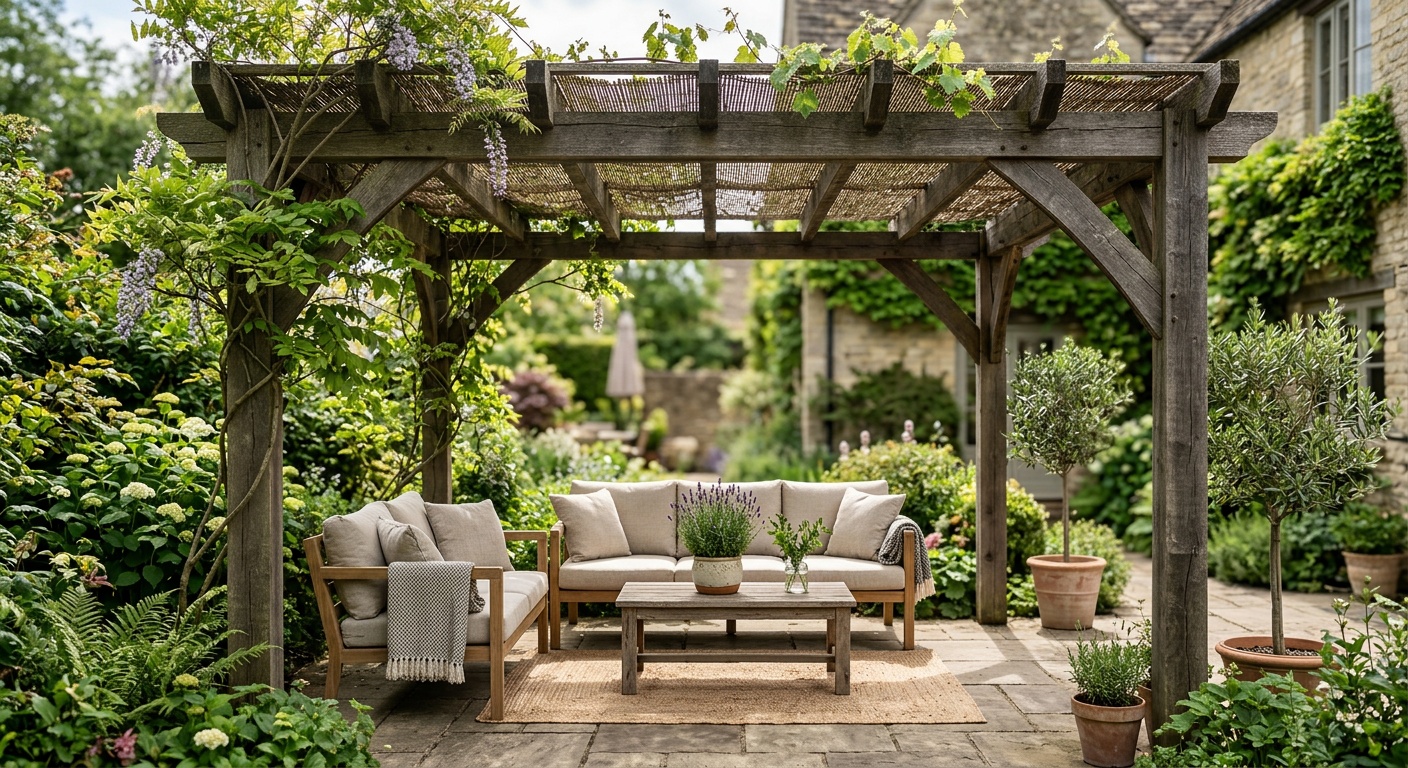
Pergolas remain the most popular patio shade structure in 2026, and for good reason. Their open-lattice or beam roof design creates shade while maintaining excellent airflow — a critical distinction from solid-roof structures that can trap heat beneath them.
A well-designed pergola with climbing vines (a technique called “green roofing”) can reduce the temperature beneath it by up to 14°F compared to an unshaded area, according to research published in the Journal of Landscape Architecture in 2024. The evapotranspiration from living plants adds a natural cooling effect that no manufactured material can replicate.
Best for: Homeowners who want a permanent, aesthetically rich structure with design flexibility
Cost range: $3,000–$18,000 installed (2026 pricing)
Cooling effectiveness: Moderate to high, depending on coverage and additions
Case Study — The Martinez Family, Phoenix, AZ: After struggling with a sun-drenched 400 sq ft patio for years, the Martinez family installed a cedar pergola with retractable shade sails in spring 2025. Combined with a wisteria vine canopy trained over the beams, their outdoor thermometer dropped from a daily high of 108°F to a shaded 91°F — still warm, but livable. They now spend an average of four hours per evening outdoors throughout the summer.
2. Shade Sails: High Performance, Low Footprint
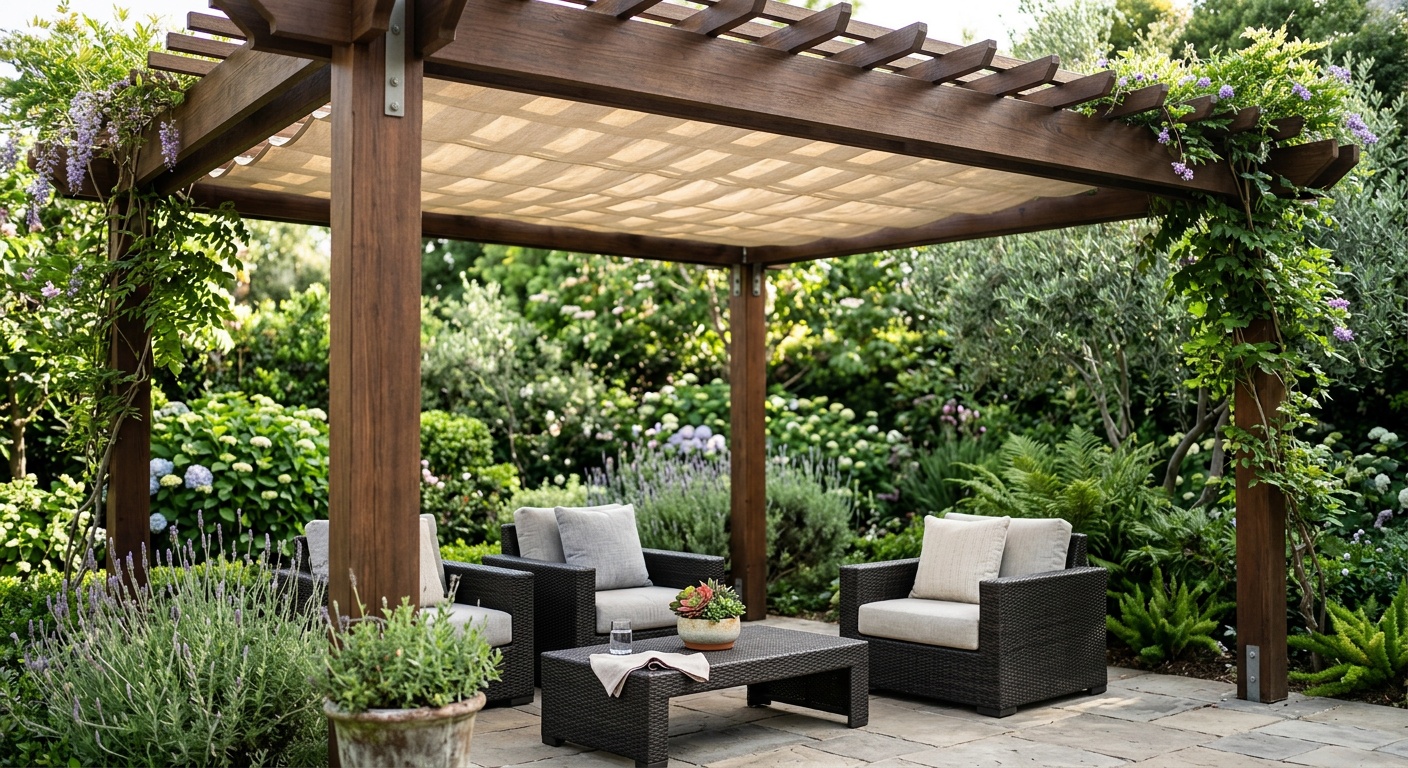
Shade sails have evolved dramatically since their introduction to residential markets. The 2026 generation of shade sails uses HDPE (High-Density Polyethylene) mesh fabric engineered to block up to 98% of UV radiation while still allowing air movement — solving the classic “hot tent” problem of solid canopies.
What makes them particularly compelling is their versatility. A layered configuration of two or three overlapping triangular sails at different heights creates dappled, shifting shade patterns that maximize cooling while giving the space a dynamic, architectural feel.
Best for: Renters, urban balcony owners, or anyone wanting a non-permanent solution
Cost range: $200–$1,800 depending on size and anchoring
Cooling effectiveness: High, especially with multiple overlapping layers
3. Retractable Awnings: Control on Demand
Motorized retractable awnings have become significantly more affordable since 2023. What once cost $5,000–$10,000 can now be sourced for $1,500–$4,500 for a quality motorized unit with wind sensors. The key advantage is control: you can extend shade precisely when and where you need it, and retract it during rainstorms or high winds to prevent damage.
Look for awnings with acrylic fabric rated for at least 500 hours of UV exposure and a solar-reflective coating on the topside. The reflective coating redirects solar energy upward rather than absorbing and radiating it downward — a difference you’ll feel immediately.
Best for: Attached patios, decks adjacent to the home where wall-mounting is possible
Cost range: $1,500–$6,000 installed
Cooling effectiveness: High directly beneath the canopy
4. Shade Cloth Canopies: The Budget-Friendly Workhorse
Don’t underestimate a well-installed shade cloth canopy. Commercial-grade shade cloth with a knit factor of 70–90% blocks significant heat while remaining breathable. For patios with an existing overhead structure (like a gazebo frame or a simple post system), swapping in quality shade cloth costs as little as $150–$600 and can be replaced seasonally.
The critical spec to look for: shade factor percentage. A 73% shade cloth reduces light by 73% but still allows airflow. A 90% cloth is better for intense sun but can trap more heat in low-wind conditions. For most climates, a 73–80% shade factor hits the sweet spot.
5. Green Roofs and Living Walls
The most sustainable option, and increasingly the most stylish. A living wall or overhead trellis with climbing plants — jasmine, passionfruit, wisteria, or climbing roses depending on your climate — provides shade that actively cools through evapotranspiration. Studies from the Urban Greening Research Initiative in 2025 found that green-covered outdoor structures maintained temperatures 8–15°F cooler than equivalent hard structures during peak heat hours.
The trade-off is patience. Most climbing plants take 2–3 seasons to provide meaningful coverage. However, once established, they’re essentially maintenance-free in terms of cooling performance.
Choosing the Right Materials for Maximum Cooling
Fabric Specifications That Actually Matter
The shade fabric market has become technical enough that shopping without knowing what to look for is genuinely risky. Here’s what to evaluate:
- HDPE mesh: Best balance of UV protection, airflow, and durability. Resists mold and fading. Look for 180–220 GSM (grams per square meter) weight for residential use.
- Solution-dyed acrylic: Premium option for awnings and cushions. The dye is integrated into the fiber rather than applied to the surface, meaning it won’t fade or bleed even after years of sun exposure.
- PVC-coated polyester: Solid coverage, completely waterproof, but poor airflow. Best in climates with low humidity or as a rain shelter — not ideal as a primary cooling shade in hot, humid environments.
- Bamboo and natural reed: Increasingly popular for their aesthetic appeal. Provide about 60–75% shade coverage and have natural insulating properties. Best in dry climates as they can mold in sustained humidity.
Frame and Structure Materials
Your frame choice affects longevity, heat absorption, and aesthetics:
- Powder-coated aluminum: The 2026 standard for quality shade structures. Lightweight, rust-proof, minimal heat absorption, and available in dozens of finishes. A good aluminum pergola frame will outlast wooden alternatives by a decade with virtually zero maintenance.
- Cedar and redwood: Natural insulators that stay cooler to the touch than metal. Beautiful but require annual sealing/staining and are susceptible to warping in extreme climates.
- Galvanized steel: Strong and cost-effective for posts and anchoring systems, but heavier and prone to surface rust in coastal environments unless well-maintained.
- Composite/PVC: Zero maintenance, good longevity, but can look plasticky and may flex in high winds if not properly supported.
Side-by-Side Comparison Table
| Shade Structure | Cooling Effectiveness | Cost Range (2026) | Installation | Lifespan |
|---|---|---|---|---|
| Pergola with Shade Sails | ★★★★★ | $4,000–$20,000 | Professional | 20–30 years |
| Retractable Awning | ★★★★☆ | $1,500–$6,000 | Professional | 10–15 years |
| Shade Sails (standalone) | ★★★★☆ | $200–$1,800 | DIY-friendly | 5–10 years |
| Shade Cloth Canopy | ★★★☆☆ | $150–$600 | DIY-friendly | 3–8 years |
| Living Green Canopy | ★★★★★ | $500–$5,000 | Moderate | Indefinite |
Cooling Effectiveness at a Glance
The following chart shows the estimated temperature reduction (°F) each structure provides compared to an unshaded patio during peak afternoon heat:
Based on aggregated data from multiple university heat island studies, 2024–2025. Values represent averages under clear-sky conditions at peak solar hours.
Common Challenges and How to Overcome Them
Challenge 1: Shade Without Airflow = Sauna Effect
This is the most common mistake homeowners make: installing a solid-roof structure that blocks sun but also traps hot air beneath it. In climates with high humidity, this can make the shaded area feel hotter than sitting in direct sunlight due to reduced air movement.
Solution: Prioritize breathable materials and open designs. If you’re installing a solid patio cover or polycarbonate roof panel, incorporate ridge venting, ceiling fans rated for outdoor use (look for UL damp- or wet-rated fans), and ensure at least two open sides for cross-ventilation. A good outdoor ceiling fan can reduce perceived temperature by an additional 4–8°F through the wind-chill effect.
Challenge 2: Ground-Level Heat Bounce
Many patio owners solve their overhead shade problem and are still confused by intense heat radiating up from their concrete or stone patio surface. Concrete can reach 160°F on a sunny summer day, and it continues radiating stored heat well into the evening.
Solution: Address the ground plane alongside your overhead structure. Options include:
- Light-colored concrete or travertine pavers (reflect rather than absorb heat)
- Composite decking with ventilated undersides that allow airflow
- Outdoor rugs with heat-reflective backing (newer products in 2026 incorporate metallic heat-reflective layers)
- Gravel or decomposed granite sections that heat up less than solid concrete
If you’re interested in supplementing your outdoor cooling with indoor strategies as well, learning how to keep room cool without ac can provide complementary techniques that create a seamless transition between your cooled patio and interior living spaces.
Challenge 3: Wind Loading and Storm Damage
In 2026, increasingly intense storm seasons have made wind resistance a non-negotiable consideration for shade structures, particularly in coastal, plains, and southeastern states. A shade sail or umbrella that becomes a projectile in a 60 mph gust is both dangerous and expensive.
Solution: Follow these wind-resistance principles:
- For shade sails: Use proper tensioning hardware rated for your local wind zone, and remove or roll them during severe weather warnings
- For retractable awnings: Invest in motor-and-wind-sensor packages — the wind sensor automatically retracts the awning at preset wind speeds
- For pergolas: Ensure posts are properly footed (below frost line minimum, or into concrete footings at least 24 inches deep), and consult local building codes — most municipalities require permits for structures over 100–200 sq ft
- Use stainless steel or hot-dipped galvanized hardware for all connections, especially in coastal environments
Case Study — The Okafor Residence, Houston, TX: After Hurricane Harvey’s legacy reshaped how Houston homeowners think about outdoor structures, the Okafor family in 2024 installed a powder-coated aluminum pergola with motorized shade sails rated to 75 mph sustained winds. During the 2025 storm season, they activated their wind-sensor system and never lost a single panel. Their neighbor’s cheaper cable-tensioned shade sail system, installed without proper hardware, required full replacement after one moderate storm — a $1,200 lesson.
Frequently Asked Questions
What is the most cost-effective shade structure for a small apartment balcony?
For balconies under 80 square feet, a combination of a single large shade sail (anchored to wall brackets and an overhead railing or hook) plus a retractable bamboo roll-up screen for the front face typically delivers the best cooling for the budget. Expect to spend $250–$500 total. Make sure your wall anchors are rated for at least 200 lbs of tension — under-anchored shade sails are a frequent failure point. If your building has restrictions on permanent fixtures, look for tension-mounted pole systems that don’t require drilling.
How much can I realistically reduce my patio temperature with shade alone?
Under ideal conditions — well-designed overhead shade, reflective ground surface, and adequate cross-ventilation — you can realistically expect a 12–20°F reduction in perceived air temperature compared to an unshaded, uncovered patio. The larger variable is humidity: in dry climates like the Southwest, even a modest shade structure can make an 105°F day feel comfortable. In high-humidity environments like Florida or the Gulf Coast, you’ll need to combine shade with airflow solutions (fans, natural breezes) to achieve genuine comfort. Adding a misting system to your shade structure setup can provide an additional 10–15°F cooling effect in dry climates.
Do I need a permit to install a shade structure on my patio?
It depends entirely on your local jurisdiction, HOA rules, and the type of structure. As a general rule in 2026: freestanding structures under 200 square feet typically don’t require permits in most U.S. municipalities, but attached structures (pergolas bolted to the house, large awnings) almost always do. The specific threshold varies by city and county. Before purchasing or installing any permanent shade structure, contact your local building and planning department. Permit costs are usually modest ($50–$300) and the inspection process protects both safety and your homeowner’s insurance coverage. Never skip this step for attached structures.
Your Patio Cooling Roadmap: Next Steps
You’ve now got the framework. The difference between a patio you avoid in summer and one that becomes your favorite room in the house often comes down to one clear, intentional decision — made with the right information. Here’s how to move from reading to cooling:
- Assess your specific situation first. Measure your patio, note which direction it faces (south and west-facing patios receive the most intense afternoon heat), identify existing anchor points, and check your local building codes before pricing anything out.
- Match the structure to your climate. Dry, sunny climates do best with high shade-factor sails and misting additions. Humid climates prioritize airflow above coverage percentage. Windy areas should invest in motorized retractable systems or properly engineered pergola frames.
- Layer your cooling strategy. No single structure solves every variable. Combine overhead shade with reflective ground materials, natural ventilation design, and ceiling fans for maximum effectiveness.
- Budget for quality hardware, not just the canopy. The fabric or structure that fails most often isn’t the canopy itself — it’s the anchoring hardware. Spend the extra $50–$150 on marine-grade stainless steel hardware. You’ll never regret it.
- Think long-term with living elements. Even if you start with shade sails this season, consider planting fast-growing climbing vines alongside your structure. In 2–3 seasons, you’ll have natural, maintenance-free cooling that no manufactured product can match — and a patio that looks like it belongs in a garden magazine.
Key Takeaways:
- Shade structures can reduce perceived temperatures by 12–20°F without any electricity
- Breathable materials + airflow = the winning formula; avoid solid covers in humid climates
- Address both overhead and ground-level heat for maximum effectiveness
- Wind resistance and proper anchoring are non-negotiable, especially in 2026’s intensifying storm seasons
- Living plant canopies offer the best long-term cooling performance once established
As urban heat islands intensify and energy costs continue rising, smart passive cooling design is becoming one of the most valuable skills a homeowner can develop. The patio you shade today is the outdoor sanctuary you’ll be grateful for every summer for the next decade.
So here’s the question worth sitting with: What would you do with an extra 3–4 hours of comfortable outdoor living every summer evening? Start there, and let the structure choice follow.
Article reviewed by Gary Kowalski, Structural Demolition & Load-Bearing Analysis Expert, on June 8, 2026